

Boxing for Stress Relief: Why Singapore Professionals Are Trading the Office for the Ring
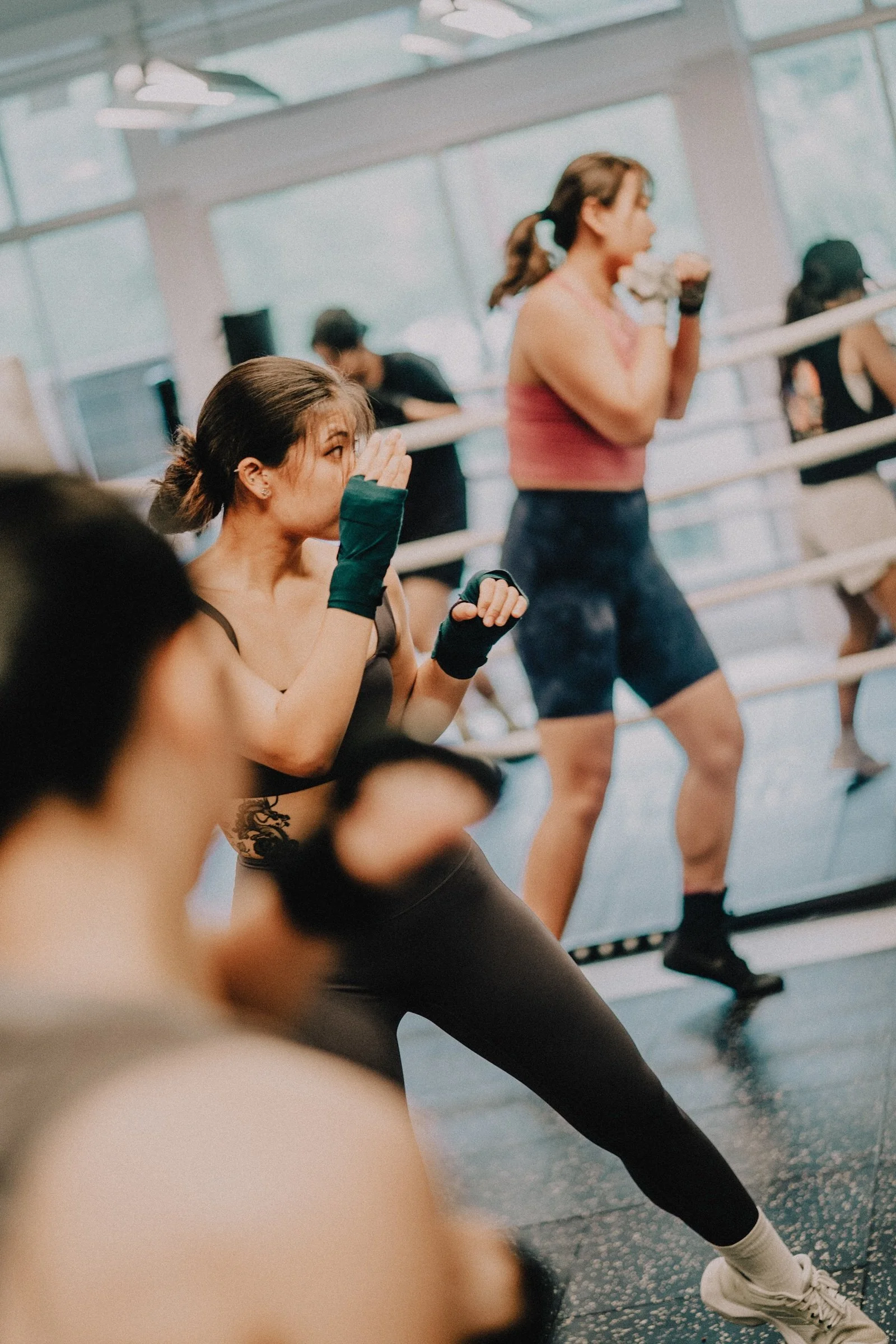
Boxing for Stress Relief: Why Singapore Professionals Are Trading the Office for the Ring
Singapore ranks consistently among the most overworked cities in the world. Long hours, high expectations, dense living conditions, and constant connectivity create a stress load that the body and mind simply aren't built to sustain indefinitely.
The conventional responses to this — drinks after work, Netflix at home, a weekend brunch — are real, but they're passive. They distract from stress; they don't discharge it. Boxing is different. It's one of the few activities that actively processes stress at a physiological level. Here's why.
What Desk Work Does to Your Body
Sitting for eight to ten hours, staring at a screen, under deadline pressure, activates your sympathetic nervous system — your fight-or-flight response. Cortisol and adrenaline are released. Your muscles tighten, particularly in your neck, shoulders, and jaw. Your heart rate elevates slightly. Your body is prepared for action.
Then you do nothing physically demanding. You sit in traffic, eat dinner, watch something on your phone, and try to sleep while your nervous system is still partially activated.
This pattern — chronic low-level stress activation without physical discharge — is one of the primary contributors to burnout, insomnia, and chronic musculoskeletal pain in desk workers. It's extremely common in Singapore. It's also extremely addressable.
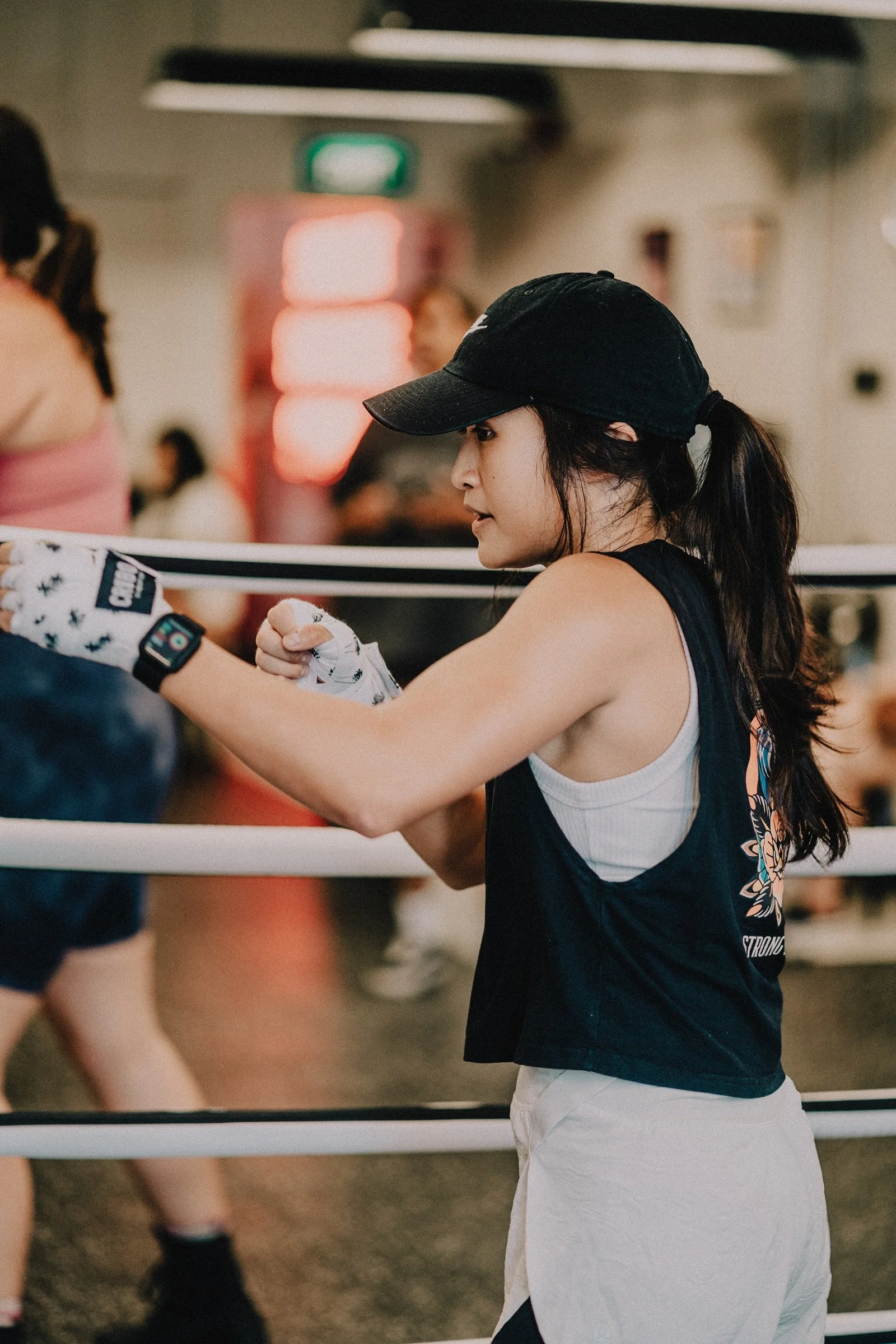
How Boxing Specifically Discharges Stress
Physical exercise in general helps reduce cortisol. But boxing has several specific mechanisms that make it particularly effective.
Physical catharsis.
Hitting a heavy bag with full force is one of the most direct physical expressions of tension available. It's not aggressive — it's controlled and technical. But the act of exerting maximum physical force in a safe, structured environment reliably produces a discharge effect that passive exercise doesn't replicate.
Cortisol reduction.
High-intensity aerobic exercise is one of the most clinically well-supported interventions for cortisol reduction. A boxing class raises your heart rate dramatically, which triggers a cascade of hormonal changes — including a post-exercise cortisol drop and a significant release of endorphins.
Forced presence.
Boxing requires your full attention. If your mind is elsewhere, your combination falls apart. This enforced present-moment focus is essentially a form of active mindfulness — your brain is pulled entirely into the immediate task, leaving no bandwidth for rumination. Many members describe this as the mental 'reset' that makes the rest of their week manageable.
Passive Recovery vs Active Stress Relief
There's a meaningful difference between distraction and recovery. Scrolling Instagram distracts you from stress, but your body doesn't know the difference — your cortisol level doesn't drop because you watched a short video.
Physical exertion, by contrast, produces actual physiological change. Post-exercise, your parasympathetic nervous system activates — your heart rate drops, your muscles relax, your cortisol falls. This is the mechanism behind the genuine calm that follows a hard workout. It's not psychological; it's biochemical.
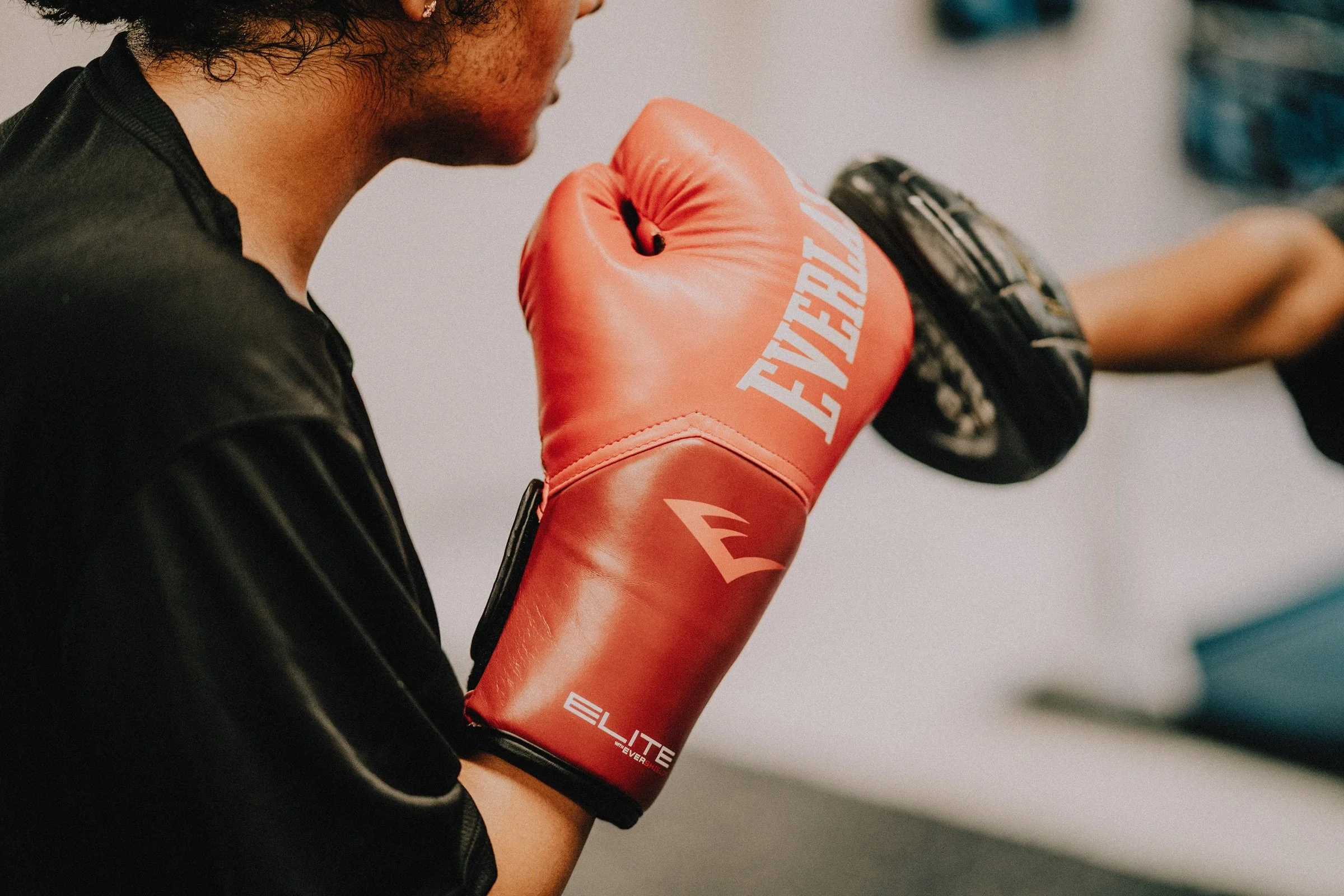
Practical Timing for CBD Professionals
We've structured our schedule with professionals in mind:
• Morning classes from 7:30am on Mondays and Fridays — before the office
• Lunch-hour access from 12pm Tuesday to Thursday
• Evening classes running until 9pm on weekdays
• Weekend morning classes 9:30am–2:30pm
We have showers and changing rooms on-site. You can train at 7:30am and be at your desk at 9:00am without issue. Or decompress after work and head home properly settled.
What Members Say
The feedback we hear most often from professionals isn't about weight loss or strength. It's about sleep quality, clarity of thinking, and the ability to manage the week better. Boxing doesn't just make you physically fitter — it makes the rest of your life easier to handle.
